Why Newer Colorado Homes Still Need Asbestos Testing Before a Remodel
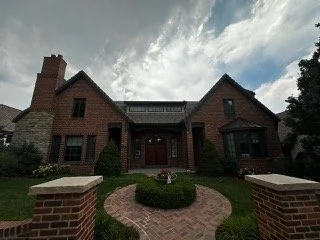
When planning a home renovation in Colorado, many homeowners assume that asbestos is strictly an "old home" problem. If a house was built in the 1990s, 2000s, or even within the last decade, it seems logical that modern building materials would be completely free of toxic fibers.
However, under state environmental guidelines and local building permit requirements, there is no cutoff year that waives asbestos testing in Colorado. Whether you own a 1980s suburban split-level or a recently constructed custom home, understanding CDPHE regulations before disturbing building materials is essential for keeping your project legal, safe, and on schedule.
The Misconceptions About Modern Construction
While the EPA banned many asbestos uses in the late 1970s, the courts overturned major portions of the ban in 1991. As a result, manufacturing and importing certain asbestos-containing materials (ACMs) remained legal in the United States and international supply chains.
In newer homes, suspect materials are rarely the heavy spray-applied insulation of the mid-20th century, but they frequently include:
Drywall Joint Compound & Sheetrock Texture: Mud used on drywall seams in the 1980s, 1990s, and early 2000s can contain asbestos.
Flooring Mastics & Underlayments: Adhesives used under luxury vinyl tile, sheet vinyl, and hardwood floors.
Roofing & Siding Products: Mastics, flashing compounds, and felt papers.
Window Glazing & Caulk: Compounds used to seal window assemblies and exterior joints.
Because construction materials are sourced globally, a home built in 2005 can still contain asbestos-bearing products installed during original construction or subsequent repairs.
Understanding CDPHE Regulation 8 & Permit Trigger Levels
The Colorado Department of Public Health and Environment (CDPHE) governs asbestos through Regulation 8. State regulations require that prior to any renovation, remodel, or demolition project that disturbs suspect materials, a state-certified asbestos inspector must perform a bulk material inspection.
For single-family residential properties, state regulation mandates testing when a project meets or exceeds the following trigger thresholds:
32 Square Feet of surfacing material (such as textured drywall, popcorn ceiling, or troweled wall finishes).
50 Linear Feet of pipe insulation or thermal system insulation.
One 55-Gallon Drum volume equivalent of other miscellaneous materials (such as flooring tiles or roofing felts).
Local municipality building departments across the Front Range—including Denver, Boulder, Arvada, and Castle Rock—require a certified asbestos inspection report before issuing building permits for demolition, wall removals, or major interior finishes.
What to Expect During an Asbestos Inspection
An asbestos inspection involves more than a quick visual walk-through. Because asbestos fibers cannot be identified by sight alone, certified inspectors must collect bulk samples for accredited laboratory analysis using Polarized Light Microscopy (PLM).
Homeowners should be aware that sampling is an intrusive process. To test materials accurately, physical samples must be removed from the suspect building components—such as cutting small sections of drywall, scraping texture, or taking cross-sections of layered flooring. While inspectors work to minimize unnecessary damage and can occasionally check hidden layers through existing vents or access hatches, physical sampling of the affected remodel zone is required by law.
Unbiased, Testing-Only Compliance
At Colorado Asbestos Inspections, LLC, we specialize strictly in asbestos testing and site assessments. We do not perform abatement, removal, or remediation work. Because we have zero financial stake in whether your test results come back positive or negative, you receive 100% objective, certified reports designed to meet state regulations and satisfy city permit requirements without sales pressure.
Planning an upcoming project? Contact us today to schedule a certified residential asbestos inspection for your Front Range property.